
Faith in the Age of Artificial Intelligence: Shared Wisdom from Calgary’s Interfaith Dialogue
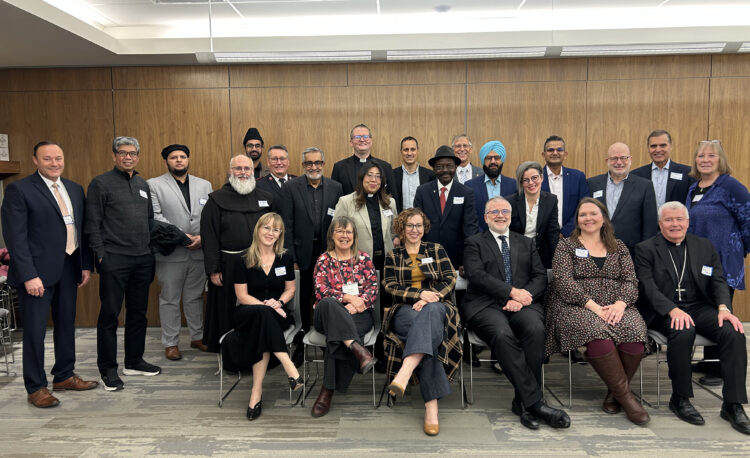
On October 21, 2025, faith leaders and community members from across Calgary gathered at the Catholic Pastoral Centre for a simple vegetarian meal and a surprisingly powerful lunchtime conversation. Hosted by Bishop William McGrattan in partnership with the Calgary Interfaith Council, Tables of Shared Wisdom: Faith in the Age of Artificial Intelligence invited us to wrestle with a question that feels both urgent and ancient:
As people of faith, how do we discern the gifts and the dangers of AI—and how might our traditions help shape a more humane and ethical path forward?
Sitting around tables scattered with plates, notepads, and the kind of curiosity that sparks real dialogue, participants from many different faith traditions considered what they would carry back to their own communities. What emerged was a collective wisdom shaped by humility, hope, concern, and a deep moral imagination—a wisdom that calls us toward both promise and responsibility.
Across the room, we heard a clear, shared message: while AI offers extraordinary possibilities, our faith communities are needed now more than ever as steady guardians of human dignity, meaningful connection, and moral discernment. People spoke of the importance of teaching wise and ethical use of technology; of modeling screen-free spaces where real relationships can take root; and of supporting families—especially parents and young people—in navigating both the gifts and the harms of the digital world. Again and again, we returned to the gifts our traditions bring to this moment: a grounding ethical compass, a reverence for human creativity, and a depth of spirituality that no machine can replicate.
At the same time, we didn’t shy away from naming the risks: the temptation to let AI dull our creativity or flatten our spiritual lives, the spread of misinformation shaped by unseen algorithms, and the widening economic and environmental inequities tied to the development of these tools. And woven through the conversation was a profound theological question:
If we are created in the image of the Divine, might our creation of AI reflect that spark—or does it risk obscuring the subtle and holy ways the Divine moves in our lives?
Threaded through all of this was a clear call: our communities of faith must be places of courageous and compassionate dialogue—spaces where we can learn from young people, grapple honestly with ethical and justice implications, and work together to ensure that AI serves life, strengthens human flourishing, and honours the sacredness at the heart of every person.